
Top Sectors Attracting Arab Capital in Kenya Today
Kenya continues to position itself as one of Africa’s most dynamic and investment-friendly economies, offering strong opportunities for strategic partnerships between Arab investors and East African markets. As a gateway to the broader African continent, Kenya combines economic resilience, a growing middle class, and forward-looking government policies that encourage foreign direct investment. Today, Arab capital is playing an increasingly influential role in accelerating development across key sectors, strengthening bilateral ties, and fostering sustainable economic growth.
Real Estate and Urban Development
One of the most prominent sectors attracting Arab capital in Kenya is real estate. Rapid urbanization, particularly in cities like Nairobi and Mombasa, has created sustained demand for residential, commercial, and mixed-use developments. Arab investors, known for their expertise in large-scale real estate projects, are contributing to the transformation of Kenya’s urban landscape.
High-end residential communities, hospitality-integrated developments, and smart city concepts are gaining traction. These investments not only address housing demand but also introduce modern infrastructure standards, elevating the quality of urban living. The synergy between Kenya’s growing urban population and Arab developers’ experience continues to unlock long-term value.
Agriculture and Agri-Tech
Agriculture remains a cornerstone of Kenya’s economy, and it has become a key area of interest for Arab investors seeking food security partnerships and sustainable agricultural production. With fertile land, favorable climate conditions, and access to regional markets, Kenya offers a strong platform for agri-investment.
Arab capital is increasingly directed toward large-scale farming, irrigation systems, and agri-tech innovations. Investments in cold storage, food processing, and export logistics are helping to reduce post-harvest losses and improve supply chain efficiency. These collaborations not only enhance productivity but also support rural development and job creation.
Renewable Energy and Infrastructure
Kenya is widely recognized as a leader in renewable energy in Africa, with a significant portion of its electricity generated from geothermal, wind, and solar sources. This has attracted Arab investors looking to align their portfolios with global sustainability goals.
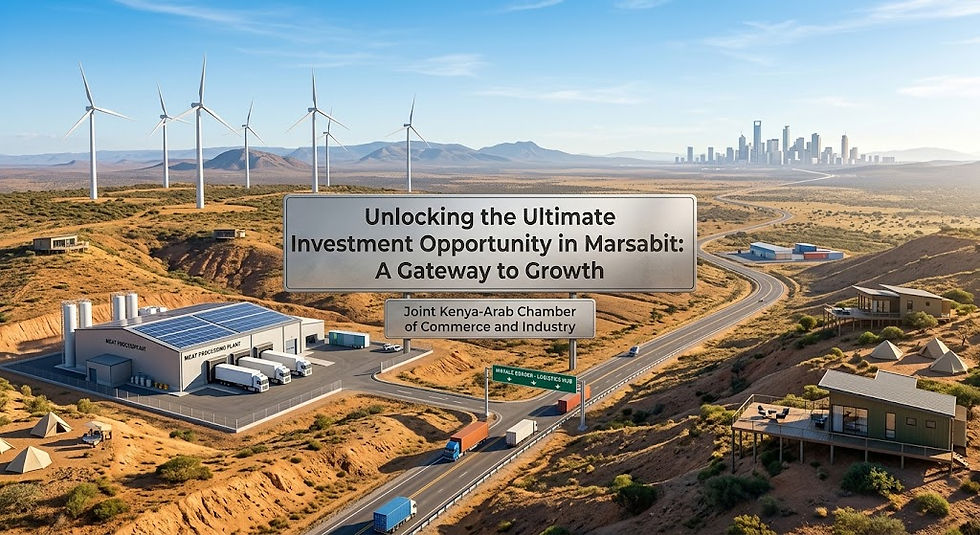
Strategic investments are being made in solar energy projects, wind farms, and power distribution infrastructure. Additionally, infrastructure development—including roads, ports, and logistics hubs—continues to benefit from Arab partnerships. These projects enhance connectivity, reduce costs of doing business, and support Kenya’s long-term economic vision.
Tourism and Hospitality
Tourism remains one of Kenya’s most iconic sectors, and it continues to attract Arab investment, particularly in luxury hospitality and eco-tourism. Kenya’s unique combination of wildlife, coastline, and cultural heritage makes it a highly attractive destination for international travelers.
Arab investors are contributing to the development of high-end resorts, boutique hotels, and integrated tourism experiences. There is also growing interest in halal tourism, which aligns with the preferences of travelers from the Arab world. These investments strengthen Kenya’s global tourism brand while diversifying its offerings.
Financial Services and Fintech
Kenya’s reputation as a fintech leader in Africa has opened new avenues for Arab capital. The country’s advanced mobile money ecosystem and innovation-driven financial sector provide fertile ground for investment in digital banking, payment solutions, and financial inclusion initiatives.
Arab investors are increasingly partnering with local fintech startups and financial institutions to expand access to financial services across underserved populations. This collaboration supports entrepreneurship, enhances financial literacy, and contributes to inclusive economic growth.
Manufacturing and Industrial Development
As Kenya advances its industrialization agenda, the manufacturing sector is becoming increasingly attractive to Arab investors. Opportunities exist in textiles, construction materials, food processing, and light manufacturing.
Special economic zones and industrial parks are providing incentives such as tax benefits and streamlined regulations, making it easier for foreign investors to establish operations. Arab capital is helping to build local production capacity, reduce import dependency, and create employment opportunities.
Strengthening Kenya–Arab Economic Cooperation
The growing flow of Arab capital into Kenya reflects a broader trend of deepening economic cooperation between the Arab world and East Africa. These investments are not only financial in nature but also strategic, bringing expertise, technology transfer, and long-term partnerships.
The Joint Kenya-Arab Chamber of Commerce and Industry (JKACCI) continues to play a vital role in facilitating these connections, promoting dialogue, and creating platforms for collaboration. By supporting investors and businesses on both sides, the Chamber contributes to a shared vision of sustainable development and mutual prosperity.
Looking Ahead
As global economic dynamics evolve, Kenya stands out as a stable and promising destination for Arab investment. With continued policy support, infrastructure development, and innovation, the country is well-positioned to attract even greater levels of capital in the years ahead.
The partnership between Kenya and the Arab world represents a powerful model of cross-regional cooperation—one that delivers economic growth, fosters innovation, and creates lasting value for future generations.

Sources
Kenya Investment Authority reports
Central Bank of Kenya economic updates
African Development Bank insights on East Africa
Regional trade and investment analyses
Industry reports on renewable energy and fintech in Africa


Comments